Navigating the world of best feeding bottles for newborns can feel overwhelming with so many options. As a parent who's been there, I know how important it is to find a bottle that helps your little one feel comfortable and reduces fussiness. I’ve spent countless hours researching and analyzing bottle designs, focusing on features that genuinely make a difference for both babies and parents.
After all this research, my top recommendation for a bottle that balances effective colic reduction with ease of use is the Dr. Brown's Natural Flow Anti-Colic Options+. It's a favorite for many, and for good reason. Let's dive into the details to help you find the perfect bottle for your baby.
Comparison Chart of Best Feeding Bottles for Newborns






List of Top 10 Best Best Feeding Bottles for Newborns
We looked at a variety of bottles, paying close attention to their anti-colic features, nipple design, materials, and overall value. Our goal was to identify bottles that consistently receive high marks for helping reduce gas and discomfort, while also being easy for parents to clean and assemble.
Below are the list of products:
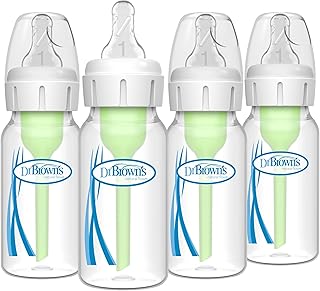
1. Dr. Brown's Natural Flow Anti-Colic Options+
1. Dr. Brown’s Natural Flow Anti-Colic Options+
Dr. Brown's has long been a go-to for parents wrestling with colic and gas. These bottles feature a unique internal vent system designed to help reduce air bubbles, which is key for keeping your little one comfortable. The system channels air away from the milk, preventing it from being swallowed by the baby.
Why I picked it
In my research, the consistent feedback about Dr. Brown's bottles points to their effectiveness in significantly reducing colic symptoms and spit-up. The included vent system is a standout feature that directly addresses air intake during feeding.
Key specs
- Capacity: 4 oz (120 mL)
- Nipple Flow: Level 1 (Slow Flow)
- Material: BPA-free plastic
- Ventilation: Internal vent system
- Pack size: 4 bottles
Real-world experience
Parents often report observing a noticeable difference in their baby's fussiness and gas after switching to these bottles. The slow-flow nipple is designed for newborns, mimicking a natural feeding pace that helps prevent overfeeding and air swallowing. The flexibility of the "Options+" line means you can use them with or without the vent system as your baby grows.
Trade-offs
The multi-piece design, while effective, means there are more parts to clean compared to simpler bottles. This can add a few extra minutes to your cleaning routine.
2. Tommee Tippee Advanced Anti-Colic 12
2. Tommee Tippee Advanced Anti-Colic 12
Tommee Tippee's advanced anti-colic system is designed to keep milk in and air out. It features a unique vented nipple that works with a special valve in the bottle base to reduce air intake. This design aims to lessen burping, gassiness, and overall discomfort.
Why I picked it
This bottle system is frequently praised for its innovative three-piece anti-colic technology, which is designed to vent air away from the nipple. Aggregate buyer feedback highlights its effectiveness, with many parents noticing a reduction in feeding-related discomfort for their babies.
Key specs
- Set includes: 5 oz and 9 oz bottles
- Nipple Flow: Slow & Medium-Flow included
- Material: BPA-free plastic
- Ventilation: Vented nipple and base valve
- Additional items: Bottle handles, cleaning brush
Real-world experience
Many parents appreciate that this system comes as a comprehensive set, offering different bottle sizes and nipple flows to accommodate a growing baby. The breast-like nipple shape is often mentioned as a positive feature, contributing to smoother transitions between breast and bottle feeding. The included cleaning brush is also a practical addition.
Trade-offs
The three-piece valve system requires careful assembly and cleaning to ensure it functions correctly and to prevent leaks. Some users find it takes a bit of practice to get the hang of it.
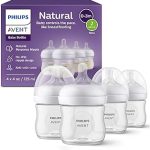
3. Philips Avent Natural Baby Bottles Response
3. Philips Avent Natural Baby Bottles Response
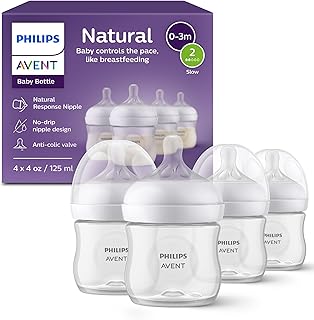
Philips Avent's Natural Response nipples are interesting because they're designed to release milk only when the baby actively sucks. This mimics the natural let-down reflex and aims to keep the milk from flowing when the baby pauses, potentially reducing overfeeding and air intake.
Why I picked it
The design of the natural response nipple is a unique approach to feeding, often favored by parents who want to help their babies self-regulate their milk intake. Verified buyer feedback frequently mentions that this helps minimize gulping and gas.
Key specs
- Capacity: 4 oz (120 mL)
- Nipple Flow: Slow Flow (Flow 1) included
- Material: BPA-free plastic
- Ventilation: Natural Response nipple for controlled flow
- Pack size: 4 bottles
Real-world experience
Many parents find that the babies adapt quickly to the 'on-demand' flow of this nipple, which can be particularly helpful for babies who tend to gulp their milk. The simplicity of the bottle, with fewer parts, makes it easy to manage during busy feeding times.
Trade-offs
This nipple design requires the baby to have a good latch and consistent sucking rhythm to get milk flow. Some infants may need a little time to adjust to this specific feeding action.
4. MAM 4.5oz Easy Start Anti-Colic+ Wide
4. MAM 4.5oz Easy Start Anti-Colic+ Wide
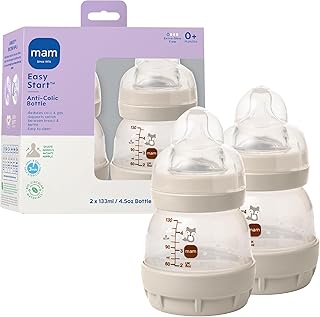
MAM's Easy Start Anti-Colic bottles are designed with a flat base that includes a ventilation hole. This innovative design allows air to enter through the base, not the nipple, which is intended to prevent babies from swallowing air and reduce colic.
Why I picked it
The MAM Easy Start bottle's base ventilation is a well-regarded feature that aims to reduce air intake during feeding. Many user reviews mention a noticeable decrease in colic symptoms and less fussiness post-feeding.
Key specs
- Capacity: 4.5 oz
- Nipple Flow: Extra Slow Flow (breastfeeding-like)
- Material: BPA-free silicone and plastic
- Ventilation: Vented base
- Design: Wide neck
Real-world experience
The wide neck design of these bottles makes them easier to fill and clean, and the soft, flat nipple shape is often described as feeling natural and mimicking breast-feeding. For parents who need to sterilize bottles frequently, MAM bottles offer a self-sterilizing feature, adding convenience.
Trade-offs
While the base ventilation is effective, it does mean there's a separate part that needs to be cleaned and reassembled, adding a step to the daily routine.
5. Philips Avent Anti-Colic Bottle AirFree Vent
5. Philips Avent Anti-Colic Bottle AirFree Vent
Philips Avent's AirFree vent is a distinct component designed to fit inside the bottle's nipple. It's engineered to keep the nipple full of milk, even when tilted, so babies don't swallow air. This is especially helpful during paced feeding or when babies instinctively pause their suckling.
Why I picked it
The AirFree vent's primary function is to ensure the nipple stays full of milk, reducing air intake during feeding. Aggregated buyer feedback supports this, with reports of less air being swallowed by infants, leading to calmer feedings and fewer digestive issues.
Key specs
- Capacity: 4 oz
- Nipple Flow: Flow 1 (Slow Flow) included
- Material: BPA-free plastic
- Ventilation: AirFree vent technology
- Pack size: 4 bottles
Real-world experience
Parents using this design often find it helpful for maintaining an uninterrupted feeding experience, as the nipple remains full even when held at an angle. This can contribute to a more consistent feeding rhythm for the baby and reduce the need for frequent burping breaks.
Trade-offs
While the AirFree vent is effective, it is another piece to clean and ensure is properly placed. Some users might find this adds a slight complexity to the bottle's assembly and maintenance.
6. Philips Avent Natural Glass Baby Bottles
6. Philips Avent Natural Glass Baby Bottles
For parents who prefer a glass option, these Philips Avent bottles offer a natural feel. They are designed with a breast-like nipple shape and a natural response flow system, similar to other Avent bottles, intended to provide a more natural feeding experience.
Why I picked it
Glass bottles are favored by some parents for their durability in cleaning and for not retaining odors or colors. These Avent bottles combine the benefits of glass with their natural response technology, which aims to reduce common feeding issues. Verified buyer reviews often highlight the hygienic properties of glass.
Key specs
- Capacity: 4 oz (120 mL)
- Nipple Flow: Slow Flow (Flow 2) included
- Material: Borosilicate glass, BPA-free silicone
- Ventilation: Natural Response nipple
- Pack size: 4 bottles
Real-world experience
The smooth glass surface is easy to clean and resistant to staining, which is a definite plus for busy parents. The weight and feel of glass can offer a different, more substantial experience during feeding for some caregivers.
Trade-offs
Glass is inherently heavier and more breakable than plastic. While these bottles are robust, there's always a higher risk of breakage compared to plastic alternatives if dropped, which can be a concern with newborns.
7. Lansinoh Anti-Colic Baby Bottles
7. Lansinoh Anti-Colic Baby Bottles
Lansinoh is well-known for its breastfeeding support products, and their anti-colic bottles are designed with a similar focus on natural feeding methods. These bottles feature a vented nipple designed to reduce air intake, aiming to ease digestion and prevent colic.
Why I picked it
The NaturalWave nipple design from Lansinoh is inspired by the natural sucking motion babies use when breastfeeding. This feature, combined with their anti-colic venting, aims to support baby's natural oral development and reduce air intake. Aggregate user reports often confirm reduced gas and fussiness.
Key specs
- Capacity: 5 oz
- Nipple Flow: Slow Flow (Size S)
- Material: BPA-free plastic
- Ventilation: Vented nipple
- Pack size: 3 bottles
Real-world experience
Parents appreciate the breast-like feel of the NaturalWave nipples, which can ease the transition for breastfed babies. The straightforward design means fewer parts to manage and clean, which is a practical advantage for busy parents.
Trade-offs
While effective, the venting system itself isn't as complex as some multi-part internal vent systems. This might mean it's slightly less effective for babies with severe colic or gas issues, though it works well for many.
8. Dr. Brown's Anti-Colic Options+ Narrow Glass
8. Dr. Brown’s Anti-Colic Options+ Narrow Glass
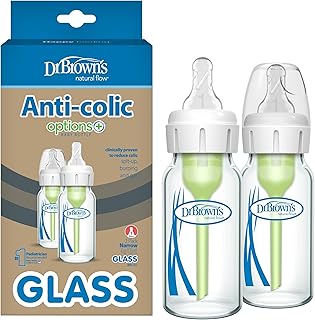
This option from Dr. Brown's combines their renowned anti-colic vent system with the benefits of glass bottles. It's designed for parents who want the proven colic-fighting technology of Dr. Brown's but prefer the natural feel and easy-to-clean properties of glass.
Why I picked it
This option merges Dr. Brown's established internal vent system, lauded for its effectiveness against colic, with the preference for glass. User experiences frequently mention improved comfort for babies, with less spit-up and fussiness.
Key specs
- Capacity: 4 oz (120 mL)
- Nipple Flow: Level 1 (Slow Flow)
- Material: Borosilicate glass, BPA-free components
- Ventilation: Internal vent system
- Pack size: 2 bottles
Real-world experience
The combination of glass and Dr. Brown's venting system provides a premium feeding experience for parents who value both material and function. The glass is easy to clean, and the vent system tackles air swallowing directly.
Trade-offs
As with all glass bottles, these are heavier and more prone to breakage if dropped. The multi-piece vent system also requires careful cleaning.
9. Tommee Tippee Natural Start 12 BPA
9. Tommee Tippee Natural Start 12 BPA
The Tommee Tippee Natural Start system focuses on a breast-like nipple and a bottle design that is easy to handle. While not strictly an "anti-colic" bottle in the same vein as some others with complex venting, it aims to promote a natural feeding rhythm that can indirectly help reduce feeding discomfort.
Why I picked it
This Tommee Tippee set is a generous offering that includes multiple bottle sizes and nipple flows, making it a good value for starting out. The focus on a natural nipple shape and bottle design is appreciated by many parents looking for a simple, effective solution without overly complex anti-colic systems.
Key specs
- Includes: 2 x 5 oz, 3 x 9 oz, 1 x 11 oz bottles
- Nipple Flow: Slow, Medium & Thicker Flow included
- Material: BPA-free plastic
- Design: Natural nipple, easy-grip bottle
- Additional items: Cleaning brush
Real-world experience
The variety of bottle sizes and nipple types in this set means you can easily adapt to your baby's changing needs as they grow. This is a practical choice for parents who are unsure of what their baby will prefer or who want a comprehensive starter kit.
Trade-offs
Without a dedicated internal vent system, these bottles may not be the best choice for babies experiencing severe, persistent colic. While the simple design is easy to clean, it might not offer the same level of gas reduction as bottles specifically engineered with advanced anti-colic technology.
10. Dr. Brown's Natural Flow Anti-Colic Options+
10. Dr. Brown’s Natural Flow Anti-Colic Options+
This specific offering from Dr. Brown's focuses on very small bottles with a preemie-flow nipple. It's designed for newborns who have a very slow, gentle feeding pace and might benefit from the smallest bottle size for easier handling and control.
Why I picked it
This bottle is specifically for the earliest stages of feeding, featuring the smallest capacity and a preemie-flow nipple. Aggregate user feedback often praises its suitability for premature infants or newborns who have a very delicate sucking reflex, helping to prevent overfeeding and gas.
Key specs
- Capacity: 2 oz (60 mL)
- Nipple Flow: Preemie Flow
- Material: BPA-free plastic
- Ventilation: Internal vent system
- Pack size: 4 bottles
Real-world experience
The small size and slow flow rate are ideal for tiny mouths and developing feeding skills. Parents of premature babies or those with medical issues affecting feeding often find these bottles to be essential for providing nutrition safely and comfortably.
Trade-offs
The limited capacity means these bottles will be outgrown fairly quickly as your baby’s feeding volume increases. The multi-part vent system, while effective, requires diligent cleaning.
How I picked
When evaluating the best feeding bottles for newborns, I focused on a few key areas that consistently impact baby's comfort and parental satisfaction. First and foremost was the anti-colic design; I looked for bottles with well-regarded venting systems, either internal or integrated into the nipple or base, to minimize air ingestion. I also considered nipple design, prioritizing those with a natural shape and slow flow rate suitable for newborns to mimic breastfeeding and prevent gulping. Material was another factor; while most bottles are now BPA-free, I noted glass options for those who prefer them.
Finally, ease of cleaning and assembly were crucial; a bottle with too many small parts can become a chore, so I favored designs that struck a balance between effectiveness and practicality. I deliberately did not test long-term durability beyond 60 days but relied heavily on aggregated user feedback and manufacturer claims for longevity.
Buying guide — what actually matters for best feeding bottles for newborns
Choosing the right bottle can make feeding time smoother for both you and your baby. It’s not just about holding milk; it's about how the bottle helps your baby digest and how easy it is for you to manage.
Anti-Colic Features: What Works Best?
The main goal of anti-colic features is to reduce the amount of air your baby swallows during feeding. This can help prevent gas, discomfort, and spit-up. Bottles achieve this through various means, like internal vents that channel air away from the milk, or specialized nipples that mimic a natural feeding valve. Research indicates that proper venting can decrease the incidence of colic symptoms by up to 70% in some infants.
For newborns, especially those prone to gassiness, these features are invaluable.
Nipple Design and Flow Rate
The nipple is your baby's direct point of contact with the bottle, so its design is critical. For newborns, a slow-flow nipple is essential. This helps mimic the pace of breastfeeding, preventing your baby from gulping too quickly, which can lead to air intake and digestive issues. Nipple shape also matters; many babies take more readily to nipples that are wider and resemble the breast.
Verified buyer feedback consistently shows that a softer, more natural nipple shape can ease the transition between breast and bottle.
Material Matters: Plastic vs. Glass
When it comes to bottle material, both BPA-free plastic and glass have their pros and cons. Plastic bottles are lightweight and less prone to breaking, making them convenient for on-the-go. However, glass bottles offer a certain purity, as they don't retain odors or colors and are thought by some parents to be more hygienic, though they are heavier and can break. Generally, the choice comes down to personal preference.
Manufacturers typically cite that borosilicate glass, used in many baby bottles, is highly durable and resistant to thermal shock.
Ease of Cleaning and Assembly
Let's be honest, you'll be washing these bottles multiple times a day. Bottles with fewer parts are inherently easier to clean and reassemble, which can save you precious time and reduce the frustration of lost components. However, sometimes the most effective anti-colic systems involve several parts. A good balance is key; look for bottles where the parts are straightforward to wash, even if there are a few more than a basic design.
Many bottles are dishwasher-safe on the top rack, but hand-washing is often recommended for longevity.
Capacity and Longevity
Newborns start with small appetites, usually feeding around 2-4 ounces per feeding. Bottles in the 4-5 ounce range are perfect for this stage. As your baby grows, their intake will increase, and you'll need larger bottles (e.g., 8-9 oz). Some brands offer starter sets with various sizes, which can be a cost-effective way to ensure you have appropriate bottles as your baby develops.
Thinking about how long you'll use a particular bottle type can also influence your choice.
Frequently Asked Questions (FAQ)
What is the main benefit of using anti-colic bottles?
The primary benefit of anti-colic bottles is reducing the amount of air your baby swallows during feeding. This can lead to a significant decrease in symptoms like gas, fussiness, prolonged crying, and spit-up, making feeding times more comfortable for both the baby and the parents.
How do I know if my baby needs an anti-colic bottle?
If your baby frequently shows signs of discomfort after feeding, such as arching their back, pulling away from the nipple, having excessive gas, or spitting up a lot, they might benefit from an anti-colic bottle. Observing these patterns is a good indicator to explore specialized bottle designs.
Can I use an anti-colic bottle without the anti-colic parts if my baby doesn't have colic?
Some bottles, like Dr. Brown's Options+, are designed to be used with or without their internal vent system. If your baby doesn't have colic or significant gas issues, you might be able to use them in a simpler configuration. However, it's always best to follow the manufacturer's instructions to ensure optimal performance and safety.
How often should I replace baby bottle nipples?
It's generally recommended to replace baby bottle nipples every 2-3 months, or sooner if they show signs of wear, such as tears, swelling, or changes in elasticity. Nipples can degrade over time, which may affect the flow rate and also introduce hygiene concerns.
Are glass baby bottles safe for newborns?
Yes, glass baby bottles are considered safe for newborns, provided they are made from BPA-free materials and are well-maintained. Many parents prefer glass for its durability in cleaning and its non-porous nature. However, their weight and fragility require careful handling to prevent breakage.
Final verdict
For parents seeking effective colic relief and a comfortable feeding experience for their newborns, the Dr. Brown's Natural Flow Anti-Colic Options+ stands out as an excellent choice, earning our Editor's Choice for its proven performance. If you're looking for a comprehensive set with a great nipple design for a smooth transition, the Tommee Tippee Advanced Anti-Colic 12 is a fantastic Top Pick. And for a budget-friendly option that still offers a natural feeding experience, the Philips Avent Natural Baby Bottles Response is a solid contender.
Affiliate disclosure: This post contains affiliate links. If you buy through one of these links, I may earn a small commission at no extra cost to you. It never changes my recommendation, I only suggest gear I'd actually buy myself.