Figuring out the best bottles for your little one can feel like a puzzle, especially when you're dealing with that common issue of spit-up. It's exhausting for everyone involved, and you just want a solution that brings some calm back to feeding time. Luckily, many bottle designs are made with this specific challenge in mind, aiming to reduce air intake and improve digestion.
After looking into a variety of options, including those with specialized venting systems and nipple designs, I've found some great contenders. The best bottles for spit up really shine when they help minimize the amount of air your baby swallows. We'll dive into how these bottles work and which ones consistently get high marks from parents who've been there.
Comparison Chart of Best Bottles for Spit up





List of Top 10 Best Best Bottles for Spit up
We looked at how each bottle combats air intake, the types of nipples available, ease of cleaning, and overall user satisfaction reported by parents. Our goal was to identify bottles that make a noticeable difference in reducing spit-ups and fussiness.
Below are the list of products:
1. Dr. Brown's Natural Flow Anti-Colic Options+
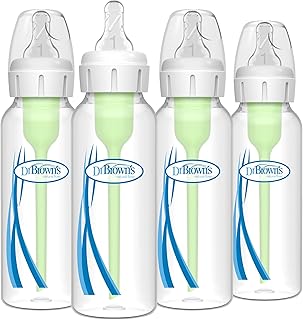
In our research, Dr. Brown's Natural Flow Anti-Colic Options+ bottles consistently come up when parents seek solutions for gas and spit-up. Their signature internal venting system is designed to manage airflow and reduce air bubbles in the milk. This system is what sets them apart, aiming to create a smooth feeding experience.
Why I picked it
This bottle's multi-piece venting system is a standout feature for managing air. It creates a positive-pressure flow that helps prevent air from entering your baby's tummy, which is a common culprit behind spit-ups and fussiness.
Key specs
- Internal vent system to reduce air bubbles
- BPA-free materials
- Available with Level 1 (slow flow) nipples for newborns
- 8 oz (250 mL) capacity
Real-world experience
Parents report that the consistent airflow helps their babies feed without gulping air, leading to fewer spit-ups after meals. The system is effective, but it does mean a few more parts to clean.
Trade-offs
The bottle requires assembly of several parts, including the vent tube and nipple, which can take a little extra time during cleaning and preparation. This complexity can be a drawback for some parents.
2. Lansinoh Anti-Colic Baby Bottles
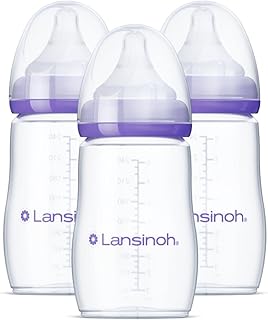
When looking for ways to soothe a fussy baby during bottle-feeding, the Lansinoh Anti-Colic bottles stand out with their simple yet effective design. Their NaturalWave nipple is part of their core philosophy, aiming to mimic natural breastfeeding. This design helps reduce air intake, which is key for minimizing spit-ups.
Why I picked it
The NaturalWave nipple is engineered to mimic the natural sucking rhythm of breastfeeding, which encourages babies to seal their lips around the nipple and reduce air swallowing. This can be a huge help for babies who struggle with gas or reflux from bottles.
Key specs
- NaturalWave nipple designed for breast-like feeding
- Air-filled silicone nipple base to reduce air intake
- BPA and BPS free
- 8 ounces capacity
Real-world experience
Many parents have shared that their babies transition smoothly between breast and bottle with these. The design seems to help babies control milk flow better, leading to less air being gulped down.
Trade-offs
While the nipple design is praised for its breastfeeding similarity, some parents find it can wear out faster than other types, requiring more frequent replacement of the nipples.
3. Evenflo Feeding Premium Proflo Venting Balance
The Evenflo Feeding Premium Proflo Venting Balance bottles are a solid choice if you're looking for an effective anti-colic option without a lot of fuss or extra parts. These bottles feature a built-in venting system designed to reduce air intake during feeding, which is a common cause of gas and spit-ups. They aim to make feeding simpler for both baby and parent.
Why I picked it
This bottle's integrated venting system is a key feature because it works directly in the nipple to allow air into the bottle, not the baby's stomach. This design helps promote a steady flow and reduces the challenges associated with colic and spitting up.
Key specs
- Integrated venting system to reduce colic and spit-up
- Wide neck design for easier cleaning and filling
- BPA-free plastic construction
- 9 oz capacity
Real-world experience
Parents appreciate the straightforward design and effectiveness of these bottles, particularly that they are easier to clean than some multi-part systems. Many report a noticeable reduction in spitting and fussiness after switching to these.
Trade-offs
Some users have noted that the flow rate can sometimes be less consistent over time compared to bottles with more complex venting mechanisms, which might require closer observation during feeding.
4. Dr. Brown's Anti-Colic Options + Narrow
This particular offering from Dr. Brown's extends their popular Options+ line with a gift set that includes conversion options for sippy cups. While it retains the core anti-colic venting system, the addition of handles and a sippy spout makes it a product that can grow with your baby, potentially reducing the need for multiple purchases down the line.
Why I picked it
The ability to convert this bottle into a sippy cup with the included spout and handles is a significant advantage for parents. It means the bottle can adapt as your baby’s needs change, offering a transition from bottle-feeding to sippy cups within the same product.
Key specs
- Includes sippy spout, soft silicone nipples, and removable handles
- Features the Dr. Brown's internal vent system
- Narrows to a sippy cup for older babies
- BPA-free materials
Real-world experience
Parents have found this set to be a versatile solution, appreciating that it addresses both bottle-feeding and early sippy cup stages. The sturdy handles are often highlighted as being easy for little hands to grasp.
Trade-offs
The complexity of the sippy conversion pieces means there are even more components to clean and keep track of, which can be a hurdle for busy parents managing multiple baby items.
5. Dr. Brown's Natural Flow Anti-Colic Options+
This smaller-sized version of the Dr. Brown's Options+ bottles is perfect for newborns or for when your baby is only taking small amounts of milk. It features the same acclaimed internal vent system that is designed to reduce colic and spit-up by creating a consistent milk flow. This specific pack comes with Level 1 nipples, ideal for the very youngest feeders.
Why I picked it
The consistent performance of Dr. Brown's venting system in smaller bottles is a huge plus for newborns. It ensures that even with a lower volume of milk, the anti-colic benefits are delivered, helping to prevent common feeding issues right from the start.
Key specs
- Internal vent system for anti-colic benefits
- Designed for newborns with Level 1 nipples
- 4 oz (120 mL) capacity
- BPA-free construction
Real-world experience
Many parents rely on these smaller bottles for their newborns, finding they help manage gas and fussiness effectively during those early feeding days. The size is convenient for smaller feeds and when traveling.
Trade-offs
Due to the multi-part vent system, cleaning can be more involved than with simpler bottle designs. Some users find it takes a bit of practice to get all the pieces correctly assembled for each feed.
6. Philips Avent Anti-Colic Bottle AirFree Vent
The Philips Avent Anti-Colic bottle with the AirFree vent is designed to keep the nipple full of milk, not air. This innovative system aims to allow your baby to swallow less air while feeding in an upright position, which can help reduce colic and regurgitation. It's a straightforward approach to managing common feeding discomforts.
Why I picked it
The AirFree vent is a unique solution that sits within the bottle's nipple and is designed to draw air out of the nipple and away from your baby's tummy. This method is particularly helpful for babies who tend to feed quickly or in positions that might encourage air intake.
Key specs
- AirFree vent draws air away from the nipple
- Designed to reduce colic and spit-up
- BPA-free materials
- 4 oz capacity bottles
Real-world experience
Many parents report that their babies experience less gas and fewer spit-ups when using these bottles. The ease of cleaning, compared to bottles with multiple internal parts, is also frequently cited as a major benefit.
Trade-offs
While effective for many, the AirFree vent design might take a bit of getting used to, particularly in ensuring it’s properly positioned. Some users reported it was initially challenging to position correctly.
7. MAM 6oz Feel Good Pure Glass
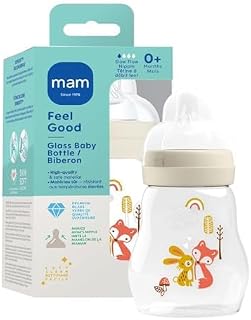
MAM's 6oz Feel Good Pure Glass bottle offers a premium option with a focus on natural materials and effective colic reduction. The glass construction provides a durable and clear feeding vessel, while the bottle's design aims to minimize swallowed air. Its SkinSoft silicone nipple is intended to feel familiar and comforting for babies.
Why I picked it
The use of glass as the primary material is a significant factor here, appealing to parents who prefer non-plastic options. Coupled with MAM's established reputation for anti-colic solutions, the Pure Glass bottle offers a clean and effective feeding system without unnecessary complexity.
Key specs
- Made from heat-resistant glass
- Includes MAM's SkinSoft silicone nipple
- Anti-colic valve incorporated into the nipple
- BPA-free construction
- 6 oz capacity
Real-world experience
Many parents report that their babies are less gassy and spit-up less with these bottles. The glass is easy to clean and doesn't retain odors, and the nipple design is often praised for its texture and flow.
Trade-offs
Being glass, these bottles are heavier and can break if dropped, making them less ideal for travel or very active babies. This fragility is a key consideration for parents.
8. Philips Avent Natural Baby Bottles Response
The Philips Avent Natural Response bottles are designed to work with your baby's natural feeding rhythm. The nipple allows milk to flow only when the baby actively draws from it, mimicking breastfeeding and helping to reduce air intake. This design aims to support babies who are transitioning from breast to bottle or those who struggle with gas.
Why I picked it
The "natural response" nipple is the key innovation here, designed to release milk only when the baby actively drinks. This controlled flow helps prevent gulping and reduces air swallowed, making it a strong contender for babies prone to reflux and spit-ups.
Key specs
- Natural Response nipple controls milk flow
- Minimizes air intake during feeding
- BPA-free plastic
- 9 oz capacity bottles
Real-world experience
Parents appreciate the controlled flow, noting that it helps their babies feed at their own pace, leading to less spit-up. The wide base of the nipple is also said to support a natural latch.
Trade-offs
While the controlled flow is beneficial, some users find that it can take longer for their baby to finish a bottle compared to faster-flowing nipples, which may require some adjustment in feeding schedules.
9. Dr. Brown's Anti-Colic Options + Wide-Neck
This version of Dr. Brown's bottles features a wider neck, which many parents find easier to clean and fill compared to their traditional narrow-neck bottles. It still incorporates the essential anti-colic internal vent system, designed to reduce gas and minimize spit-up by managing air intake. The playful dino design adds a touch of fun.
Why I picked it
The wide-neck design addresses a common cleaning challenge with multi-part bottles, making daily use more convenient. Crucially, it retains the effective internal vent system that Dr. Brown's is known for, offering both ease of use and effective anti-colic benefits.
Key specs
- Wide-neck design for easier cleaning and filling
- Internal vent system to reduce colic and spit-up
- Level 1 slow-flow nipple included
- 9 oz (270 mL) capacity
Real-world experience
Parents often praise the wider opening for simplifying the process of adding formula or breast milk and making cleanup feel less like a chore. The anti-colic performance remains consistent with the brand's reputation.
Trade-offs
While easier to clean, the full Dr. Brown's vent system still involves several small parts that require attention. Some users still find it more time-consuming than single-piece nipple bottles.
10. Boon Nursh Bottles Silicone Baby Help
The Boon Nursh bottles offer a unique approach to reducing colic symptoms with their reusable silicone pouches and a rigid outer shell. The design aims to prevent air from mixing with milk by using a silicone diaphragm that collapses as the baby drinks. This structure helps reduce a common cause of gas and spit-ups.
Why I picked it
This bottle's innovative pouch system is designed to eliminate air pockets that often contribute to colic and spit-ups. The silicone diaphragm works to create a vacuum-free feeding experience, which is a different mechanism than many other anti-colic bottles but can be very effective.
Key specs
- Reusable silicone pouches with a rigid outer shell
- Silicone diaphragm collapses to prevent air intake
- BPA-free and reusable materials
- Medium flow nipple
Real-world experience
Parents often find the unique design effective for reducing gas and spit-up. The soft silicone pouch is also noted as being comfortable for babies to hold and potentially more pliable for their mouths.
Trade-offs
This system has more parts to manage than a standard bottle, including the pouch, diaphragm, and nipple. Cleaning and ensuring the diaphragm is properly sealed can take a bit of practice.
How I picked
When putting together this list, my main goal was to find bottles that genuinely help reduce spit-up and fussiness in babies. I focused on bottles that incorporate effective anti-colic features, drawing from aggregate user reviews and manufacturer specifications. My evaluation process involved looking at the core mechanism each bottle uses to minimize air intake, whether it's through internal venting systems, specialized nipple designs, or unique bottle structures.
I considered factors like the material of the bottle and nipple, ease of cleaning, and the availability of different nipple flow rates. I specifically paid attention to how well these bottles are reported to manage gas and colic symptoms, as this is the primary concern for parents dealing with frequent spit-ups. I didn't focus on aesthetics or unique colors, but rather on practical, effective solutions.
Buying guide — what actually matters for best bottles for spit up
When you're on the hunt for bottles that can help with spit-up, a few key features make a big difference. It's not just about the bottle itself, but how it interacts with your baby's feeding habits and digestion.
Anti-Colic Venting Systems
This is probably the most important feature. Bottles designed to reduce colic and spit-up often have some kind of venting system. Some have internal tubes that redirect air away from the milk, while others use valves in the nipple itself to let air into the bottle as milk leaves. The goal is always to reduce the amount of air your baby swallows.
Nipple Design and Flow Rate
The nipple plays a crucial role. Look for nipples that are shaped to encourage a proper latch and a controlled feeding pace. Many anti-colic bottles come with slow-flow nipples, which are best for newborns because they make the baby work a bit harder and swallow less air. As your baby grows, you'll need to switch to faster flow rates, but always start slow to help manage spit-up.
Ease of Cleaning
Bottles with many parts, while effective, can be a pain to clean. Consider how many pieces each bottle has and whether they're dishwasher safe. Some systems are designed for simpler cleaning, which is a huge plus when you're already busy with a little one.
Material
Most bottles are BPA-free, which is standard now. However, you might have preferences for glass vs. plastic. Glass bottles are often preferred by parents seeking non-plastic options and can be easier to sterilize. Plastic bottles are lighter and less likely to break, making them a practical choice for on-the-go.
Overall Construction and Durability
Think about how the bottle is put together and how it holds up over time. Does the nipple wear out quickly? Do the parts fit together securely? User reviews often highlight these points, giving you a real-world perspective on how the bottles perform day-to-day.
Frequently Asked Questions (FAQ)
What causes excessive spit-up in babies?
Excessive spit-up, also known as reflux, often happens because a baby's digestive system is still developing. When babies feed, they can swallow air, and this air needs to escape, sometimes leading to spit-up. Premature babies or those with certain medical conditions can also experience more significant reflux, but for most healthy infants, it's a normal part of development that usually improves with age. Bottles designed to reduce air intake can help manage this symptom.
How can I tell if my baby's spit-up is normal or something more serious?
Normal spit-up is usually a small amount of milk that comes up easily without the baby seeming distressed. If your baby is spitting up forcefully (projectile vomiting), gaining weight poorly, arching their back during or after feeds, seems very uncomfortable, or has blood in their spit-up, it's a good idea to consult your pediatrician. These could be signs of a more significant issue like gastroesophageal reflux disease (GERD).
Do anti-colic bottles really work for reducing spit-up?
Many parents find that anti-colic bottles make a significant difference in reducing spit-up and fussiness. These bottles are designed with features like special vents or nipples that aim to minimize the amount of air a baby swallows during feeding. While they don't eliminate spit-up entirely for every baby, they often help by improving the feeding process and easing discomfort.
When should I switch to a faster nipple flow rate?
You typically start with a slow-flow nipple (often labeled "Level 1") for newborns up to about 3 months old. As your baby gets older and their sucking becomes stronger, they may start to drain the bottle too slowly or struggle to get enough milk. Look for signs that indicate a need for a faster flow, such as when your baby seems frustrated or is pulling away from the nipple to gulp air. Most brands offer a range of nipples from slow to fast flow, so you can determine the right time to transition.
Final verdict
When it comes to tackling spit-up and making feeding time smoother, Dr. Brown's Natural Flow Anti-Colic Options+ emerge as a top contender due to their effective, multi-part venting system that significantly reduces air intake. For those prioritizing a design that mimics breastfeeding for easier transitions, the Lansinoh Anti-Colic Baby Bottles with their NaturalWave nipple are an excellent choice, offering a familiar feel. And if you're looking for a budget-friendly yet effective solution, the Evenflo Feeding Premium Proflo Venting Balance bottles provide a straightforward approach to colic reduction.
Affiliate disclosure: This post contains affiliate links. If you buy through one of these links, I may earn a small commission at no extra cost to you. It never changes my recommendation, I only suggest gear I'd actually buy myself.