Navigating the world of feeding your little one can feel like a puzzle, especially when you're balancing breast milk and formula. Finding the best bottles for combo feeding that mimic a natural feeding experience is key to keeping your baby happy and fed. It’s about finding that sweet spot where baby gets the nutrition they need, whether from the breast or a bottle, without confusion or fuss.
After diving deep into what makes a bottle work well for both breastfeeding and bottle-feeding babies, I've identified some top contenders. From airflow systems designed to minimize gas to nipple shapes that feel familiar, these bottles aim to make the transition seamless. Let's look at how these options stack up to help you make the best choice for your family dynamic.
Comparison Chart of Best Bottles for Combo Feeding




List of Top 10 Best Best Bottles for Combo Feeding
We’ve sifted through countless options, focusing on factors like nipple design, anti-colic features, ease of cleaning, and overall user feedback to bring you this curated list. Our goal is to present clear, practical insights so you can confidently choose bottles that support your baby's feeding journey.
Below are the list of products:
1. Lansinoh Anti-Colic Baby Bottles
1. Lansinoh Anti-Colic Baby Bottles
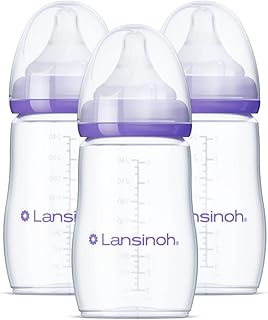
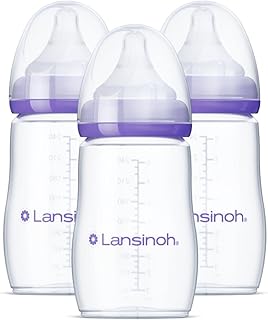
Drawing from a wealth of parent feedback, the Lansinoh Anti-Colic Baby Bottles stand out for their thoughtful design aimed at reducing common feeding frustrations. Their NaturalWave nipple is engineered to support a natural sucking rhythm, which is fantastic for babies who are also breastfed. This design aims to prevent nipple confusion by mimicking the way a baby nurses.
Why I picked it
The focus on mimicking natural breastfeeding actions is a huge plus for parents navigating mixed feeding. The anti-colic venting system is designed to reduce air intake, which many users report helps with gas and fussiness, making feeding times more peaceful.
Key specs
- Capacity: 8 ounces
- Nipple Flow: Medium (Size M)
- Material: BPA-free plastic
- Venting System: Yes, designed to reduce air intake
- Pack Size: 3 count
Real-world experience
Parents appreciate that the nipple is designed to promote a rhythmic sucking action, similar to breastfeeding, which helps babies transition more easily. The bottles are also reported to be straightforward to clean, a much-needed feature for busy caregivers.
Trade-offs
Some users find the medium flow nipple might be a bit fast for newborns who are just starting out, though Dr. Brown's offers a preemie nipple option for earlier stages. The plastic construction, while common, isn't preferred by everyone over glass.
2. Baby Bottle Trial Variety Box Newborns
2. Baby Bottle Trial Variety Box Newborns
When you're not sure which bottle your baby will take to, a trial pack is an absolute lifesaver. This box brings together popular brands like Chicco, Dr. Talbot’s, MAM, Lansinoh, and Babaloo, giving you a chance to see which nipple shape, flow rate, and feel your little one prefers without committing to a full set of unknowns.
Why I picked it
The sheer convenience and cost-effectiveness of trying multiple brands at once make this trial box an invaluable tool for parents. It simplifies the often frustrating trial-and-error process of finding the right bottle for your baby, especially when combo feeding.
Key specs
- Includes: 5 bottles from different brands (Chicco, Dr. Talbot’s, MAM, Lansinoh, Babaloo)
- Features: Anti-colic and breastfeeding-friendly designs vary by brand
- Target Age: Newborns and Infants
- Purpose: Bottle trial and registry gift
Real-world experience
Parents consistently report that this variety box is a game-changer, saving them money and stress by quickly identifying which bottle their baby will accept. It’s a practical solution for those overwhelmed by the sheer number of bottle choices available.
Trade-offs
Since it's a variety pack, you don't get multiples of any single bottle type, meaning you might need to purchase more of your baby's favorite once identified. Also, the specific nipple flow rates included will vary by brand within the box.
3. Dr. Brown's Natural Flow Anti-Colic Options+
3. Dr. Brown’s Natural Flow Anti-Colic Options+
Dr. Brown's bottles are widely recognized for their internal vent system designed to combat colic, gas, and spit-up. This particular model, the Options+ narrow baby bottle, comes with a preemie flow nipple, ideal for the very youngest or babies who need a gentler flow initially, making it a solid choice for those new to bottle feeding or combo feeding.
Why I picked it
The proprietary vent system is Dr. Brown's claim to fame for reducing air bubbles, which can be a major comfort factor for babies experiencing gas or colic. The inclusion of a preemie nipple makes it accessible for the earliest feeding stages, a big plus for parents preparing for their baby's arrival.
Key specs
- Capacity: 2 ounces (60 mL)
- Nipple Flow: Preemie Flow (Level P)
- Material: BPA-free plastic
- Venting System: Internal vent tube
- Pack Size: 4 count
Real-world experience
Many parents swear by Dr. Brown's for its effectiveness in reducing gas and fussiness. The preemie nipple is often praised for its slow flow, preventing air swallowing more effectively than standard newborn nipples. This makes it a go-to for combining breast and bottle.
Trade-offs
The multi-part vent system means there are a few more pieces to clean, which can add a little extra time to the feeding routine. Some users also mention that the plastic can sometimes hold onto odors if not cleaned promptly.
4. Dr. Brown's Natural Flow Anti-Colic Options+
4. Dr. Brown’s Natural Flow Anti-Colic Options+
This is another excellent offering from Dr. Brown's, featuring their well-loved anti-colic vent system, but in a slightly larger size and with a Level 1 Slow Flow nipple. This size is great for when your baby starts taking a bit more at each feeding, and the Level 1 nipple provides a steady, controlled flow suitable for many newborns and breastfed babies transitioning to bottle.
Why I picked it
This bottle offers the same trusted anti-colic benefits as its smaller sibling but is better suited for slightly older or hungrier babies. The Level 1 nipple provides a consistent, slow flow that can help prevent overfeeding and supports a more regulated feeding session for combo feeders.
Key specs
- Capacity: 4 ounces (120 mL)
- Nipple Flow: Level 1 Slow Flow (0m+)
- Material: BPA-free plastic
- Venting System: Internal vent tube
- Pack Size: 4 count
Real-world experience
Parents often find this size and flow rate to be a perfect step up from the preemie nipple, especially when their baby is transitioning between breast and bottle. The effectiveness of the internal vent in reducing air intake is consistently praised for helping with gassiness.
Trade-offs
Like its smaller counterpart, this bottle requires assembly of the vent system, which adds to cleaning time. The plastic construction may also be a consideration for those preferring glass or silicone.
5. Sassy Baby Food Nurser
5. Sassy Baby Food Nurser
While not a traditional baby bottle, the Sassy Baby Food Nurser is a unique tool that can be incredibly helpful for combo feeding, particularly when introducing solids or needing to give a small, measured amount of liquid. It functions by squeezing the silicone bulb to dispense milk or pureed food through the nipple, offering a controlled flow that can be useful for babies who struggle with faster bottle flows.
Why I picked it
This nurser is excellent for administering small amounts of liquid or soft foods precisely. Its squeeze-to-feed mechanism can be beneficial for babies who have difficulty with the suction required for traditional bottles, or for giving medication, making it a versatile tool alongside standard bottles.
Key specs
- Capacity: 4 ounces
- Material: 100% Silicone
- Intended Use: Baby food, milk, formula
- Nipple Type: Integrated dispenser
- Pack Size: Set of 2
Real-world experience
Parents find this tool particularly useful for introducing purees, as it allows for controlled feeding. It’s also reported to be effective for giving babies measured amounts of milk without the pressure of a full bottle feeding, which can be helpful for establishing a good latch.
Trade-offs
This is not a replacement for a standard feeding bottle for primary milk intake, as it doesn't offer the same venting systems as specialized anti-colic bottles. Cleaning can also require a bit more attention due to the bulb and narrower dispensing mechanism.
6. Evenflo Feeding Premium Proflo Venting Balance Plus Wide Neck Baby
6. Evenflo Feeding Premium Proflo Venting Balance
Evenflo's Proflo Venting Balance Plus bottles are designed with pediatric feeding specialists, focusing on mimicking natural feeding. They feature a vent system that aims to equalize pressure, potentially reducing gulping and nipple collapse, which are common issues that can lead to discomfort and fussiness. The wide neck design makes them easy to fill and clean.
Why I picked it
The combination of a venting system designed for balanced flow and a wide nipple shape aims to provide a more natural feeding experience. This can be particularly helpful for babies who have been breastfed, as it supports a latch that is less likely to cause confusion.
Key specs
- Capacity: 5 ounces
- Material: BPA-free plastic
- Venting System: Proflo venting design
- Nipple Shape: Wide neck, balanced flow
- Pack Size: 6 count
Real-world experience
Parents appreciate the ease of assembly and cleaning due to the wide neck design. The feeding specialists' input is often cited as a reason for the bottle's success in reducing common feeding issues like gas and fussiness.
Trade-offs
While designed with anti-colic features, some users have reported that the nipple still collapses during feeding for babies with a very strong suck, requiring slight adjustments. The plastic material may also be a preference concern for some.
7. Dr. Brown's Medical Specialty Feeding System
7. Dr. Brown’s Medical Specialty Feeding System
This Dr. Brown's system is specifically engineered for infants with more complex feeding needs, such as those with cleft lip or palate, or premature babies who require a specialized feeding approach. It features a unique one-piece silicone nipple that is designed to work with a specific valleculae feeding technique, and requires the feeding to be controlled by the caregiver, rather than bottle suction. While not a standard bottle for all babies, it's invaluable for babies who need more support.
Why I picked it
This system is a specialized tool designed to offer support where standard bottles may not be suitable. Its unique feeding mechanism, which requires a more hands-on approach from the caregiver, is vital for babies with specific oral-motor challenges.
Key specs
- Capacity: 5 ounces (150 mL)
- Nipple Type: One-piece silicone, requires specific feeding technique
- Material: BPA-free plastic and silicone
- Intended Use: Oral feeding for infants with cleft lip/palate, preemies
Real-world experience
For families with babies facing feeding difficulties, this system has been a lifesaver, enabling them to feed their child effectively when other methods failed. Caregivers appreciate the control it offers during feeding sessions.
Trade-offs
This bottle is not intended for general use and requires specific training or guidance from a healthcare professional to use correctly. It's a niche product for babies with particular medical needs, not a general-purpose bottle.
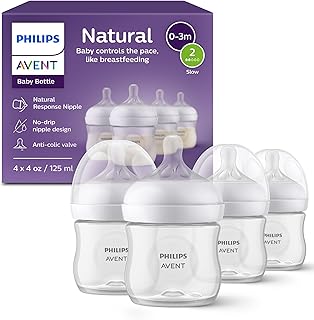
8. Philips Avent Natural Baby Bottles Response
8. Philips Avent Natural Baby Bottles Response
The Philips Avent Natural Response Nipple is designed to work like a breast, releasing milk only when the baby actively drinks. This means milk doesn't flow freely when the baby is not actively sucking, which helps babies pace their feeding, reducing gulping and the associated air intake that can cause gas and discomfort. These 4-ounce bottles are a great starting point for newborns.
Why I picked it
The unique Natural Response nipple design is a standout feature for combo feeders, as it encourages a synchronized sucking and swallowing pattern similar to breastfeeding. This reduces the likelihood of nipple confusion and can make the transition between breast and bottle smoother for both baby and parent.
Key specs
- Capacity: 4 ounces
- Nipple Flow: Slow Flow (Flow 2)
- Material: BPA-free plastic
- Venting Type: Natural Response Nipple, milk released only when baby drinks
- Pack Size: 4 count
Real-world experience
Parents often note that the feeding rhythm of these bottles helps their babies drink more calmly and with less gas. The mimicry of a natural breast feeding action helps maintain the baby’s latch and sucking technique, which is invaluable for maintaining milk supply and comfortable feeding.
Trade-offs
While many babies adapt well, some very young or inexperienced babies might initially struggle with the sucking effort required by the Natural Response nipple. Also, the plastic construction is not favored by those whose preference leans towards glass.
9. Philips Avent Natural Glass Baby Bottles
9. Philips Avent Natural Glass Baby Bottles
For those who prefer a glass option, these Philips Avent Natural Glass Baby Bottles offer the same Natural Response Nipple technology as their plastic counterparts, but with the added benefits of glass. Glass is often chosen for its durability, its resistance to odor and stain absorption, and a perceived natural feel. These 4-ounce bottles are also designed for paced feeding.
Why I picked it
The combination of the Natural Response nipple, which promotes paced feeding, and the inherent qualities of glass makes these bottles a sophisticated choice for parents who prioritize natural materials and controlled feeding. They aim to bridge the gap between breast and bottle feeding effectively.
Key specs
- Capacity: 4 ounces
- Nipple Flow: Slow Flow (Flow 2)
- Material: Borosilicate glass bottle, BPA-free plastic collar and nipple
- Venting Type: Natural Response Nipple, milk released only when baby drinks
- Pack Size: 4 count
Real-world experience
Users often commend the glass construction for its ease of cleaning and lack of odor retention. The Natural Response nipple system is lauded for its ability to help babies feed at their own pace, reducing instances of gassiness and reflux, which is critical for combo feeding success.
Trade-offs
Glass bottles are heavier and can break if dropped, which is a significant consideration with active babies and busy households. While the nipple is designed for paced feeding, some babies may still find it requires more effort than a standard free-flow nipple.
10. Dr. Brown's Insta-Feed Baby Bottle Warmer
10. Dr. Brown’s Insta-Feed Baby Bottle Warmer
While not a bottle itself, this Dr. Brown's Insta-Feed Baby Bottle Warmer is an incredibly useful accessory for any parent, especially those who are combo feeding and often warming breast milk or formula. It offers a quick and efficient way to warm bottles and baby food jars, and it also includes a sterilizing function, which is a huge bonus for maintaining hygiene.
Why I picked it
This warmer streamlines the preparation process by quickly and safely heating bottles and jars. The integrated sterilizer adds an extra layer of convenience and peace of mind for parents concerned about hygiene, making it a practical addition to the feeding setup.
Key specs
- Functionality: Bottle warming, food jar warming, sterilization
- Speed: Designs for rapid warming
- Capacity: Typically fits standard baby bottles and jars
- Material: BPA-free plastic
Real-world experience
Parents often highlight the speed and efficiency of this warmer, noting it's particularly useful during late-night feedings or when time is of the essence. The sterilizing function is also frequently praised for its convenience.
Trade-offs
Some users have noted that the warming temperature can fluctuate slightly, requiring a bit of attention to avoid overheating. It also takes up counter space, which might be a consideration in smaller kitchens.
How I picked
When looking for the best bottles for combo feeding, my approach was to focus on features that support a smooth transition between breast and bottle. I evaluated each bottle based on its nipple design, aiming for shapes and textures that mimic the breast to reduce nipple confusion. Equally important was the anti-colic technology; I looked for effective venting systems designed to minimize air intake, prevent gas, and reduce fussiness for a more comfortable feeding experience.
I also considered ease of cleaning and durability, knowing that parents need practical solutions for everyday use. The ability to gradually transition nipple flow rates was another factor, ensuring bottles could adapt as a baby grows. Finally, I paid close attention to aggregated parent reviews, seeking out common themes regarding acceptance by babies, effectiveness of anti-colic features, and overall satisfaction. I didn't specifically test long-term durability beyond general user reports, relying on industry standards and manufacturer claims for material quality in that regard.
Buying guide — what actually matters for best bottles for combo feeding
Deciding on the right bottles when you're combination feeding can feel like a big task, but it really comes down to a few key things that make a difference for both you and your baby. Thinking about these points can help you narrow down your choices and find what works best for your family's unique needs.
Nipple Shape and Feel
This is probably the most critical factor for combo feeding. You want a nipple that closely resembles the shape and feel of your breast. This helps maintain a good latch and encourages the same sucking motion your baby uses while nursing. Look for nipples that are wider at the base and have a soft, flexible material, often made of silicone.
Some brands even offer nipples designed to mimic the natural length and movement of a breast nipple.
Anti-Colic Venting Systems
Gas, spit-up, and fussiness can be major disruptors, especially when trying to balance breastfeeding and bottle feeding. Almost all good bottles designed for combo feeding will have some form of anti-colic system. This could be an internal vent tube, a special nipple design that allows air in, or a valve that helps release air. These systems aim to reduce the amount of air a baby swallows during a feeding, leading to greater comfort and fewer feeding disruptions.
Flow Rate Control
Babies have different sucking strengths, and their needs change as they grow. For combo feeding, it's beneficial to have bottles with a range of flow rates available. Ideally, you'll start with a slow-flow nipple that mimics the initial milk flow from the breast. As your baby gets older and stronger, you can move to faster flow rates.
Some bottles are designed to prevent free-flow, meaning milk only comes out when the baby actively sucks, which helps babies pace their own feeding, just like they would at the breast.
Material and Safety
Most baby bottles today are made from BPA-free plastic, glass, or silicone. Plastic is lightweight and less likely to break, but some parents prefer glass for its perceived natural qualities and resistance to retaining odors or stains. Silicone nipples are generally soft and durable. Always ensure the bottles and nipples you choose are free from harmful chemicals like BPA, BPS, and phthalates.
Ease of Cleaning and Assembly
With multiple bottles to wash daily, simplicity is gold. Look for bottles with fewer parts that are easy to take apart and reassemble. Wide-neck bottles are generally easier to clean by hand and in a dishwasher. Check if specific anti-colic systems require special brushes for cleaning.
Frequently Asked Questions (FAQ)
Is a special bottle needed for combo feeding?
Yes, for many babies, a bottle designed to mimic breastfeeding is highly beneficial when combo feeding. Bottles with nipples shaped like breasts and with effective anti-colic systems help reduce nipple confusion and discomfort from gas, making the transition between breast and bottle smoother. These features support a natural feeding rhythm for your baby.
How do I know if my baby is getting too much air?
Signs that your baby is swallowing too much air during bottle feeding include frequent burping, fussiness during or after feeding, colic symptoms like gas and stomach pain, and gassiness. Bottles with specialized venting systems are designed to minimize air intake. Observing your baby’s feeding behavior and noting these signs can help you identify if a different bottle or nipple flow rate might be needed.
Can I use the same bottle for breast milk and formula?
Absolutely. Most bottles designed for combination feeding are suitable for both breast milk and formula. The key is the design that supports a natural feeding experience. If your baby accepts the nipple and the bottle's anti-colic features help reduce discomfort, it's a good choice regardless of whether you're feeding breast milk or formula.
How many bottles do I really need?
This can vary, but many parents find success with 4-8 bottles. If you plan to wash bottles daily, fewer might suffice. If you prefer to wait longer between washes, having more can be helpful. For combo feeding, having a few different types to test out is a good idea to see what your baby prefers.
When should I switch nipple flow rates?
You typically start with the slowest flow rate, often preemie or Stage 1, for newborns. As your baby grows stronger and develops better sucking coordination, usually around 2-4 months, you might notice them draining bottles quickly or becoming restless during feeding. This is often a sign it's time to move up to the next nipple flow rate. Always follow your baby’s cues.
Final verdict
For parents navigating the rewarding yet complex journey of combination feeding, the right bottle can make all the difference. Based on our research, the Lansinoh Anti-Colic Baby Bottles take the top spot as Editor's Choice, offering a nipple design that truly mimics natural breastfeeding and an effective anti-colic system.
If you’re looking to try a variety of options before committing, the Baby Bottle Trial Variety Box Newborns is an outstanding Top Pick, saving you guesswork and potential frustration. And for those seeking a reliable and cost-effective solution, the Dr. Brown's Natural Flow Anti-Colic Options+ (both the 2oz and 4oz versions) continue to be an excellent Best Budget choice, consistently praised for their performance in reducing gas and colic.
Affiliate disclosure: This post contains affiliate links. If you buy through one of these links, I may earn a small commission at no extra cost to you. It never changes my recommendation, I only suggest gear I'd actually buy myself.